October 20, 2026
A custom home gives owners an opportunity to create a residence around their preferences, lifestyle, and long-term plans. At the same time, every new home becomes part of an existing community. Its scale, architecture, exterior materials, landscaping, placement, and construction process can all influence how naturally the property relates to its surroundings.
Local custom home builders balance these individual goals with neighborhood characteristics, regulatory requirements, and site conditions. According to Eye on Housing, custom housing starts reached 181,000 homes over the past four quarters, representing a 2% increase from 177,000 during the previous four-quarter period. As custom construction continues, thoughtful planning can help distinctive homes feel connected to the communities around them.
Respecting the Existing Architectural Character
Considering Established Home Styles
Neighborhoods often develop a recognizable architectural character through rooflines, exterior materials, proportions, and other design features. A custom residence does not need to duplicate nearby properties, but understanding these patterns can help designers create something distinctive without making the home feel disconnected from its setting.
Considering Appropriate Building Scale
Size influences how a new residence relates to neighboring homes. Local custom home builders consider factors such as overall height, massing, setbacks, and lot dimensions when developing plans. Thoughtful proportions can help a larger or more modern residence maintain a comfortable visual relationship with surrounding properties.
Considering Exterior Materials
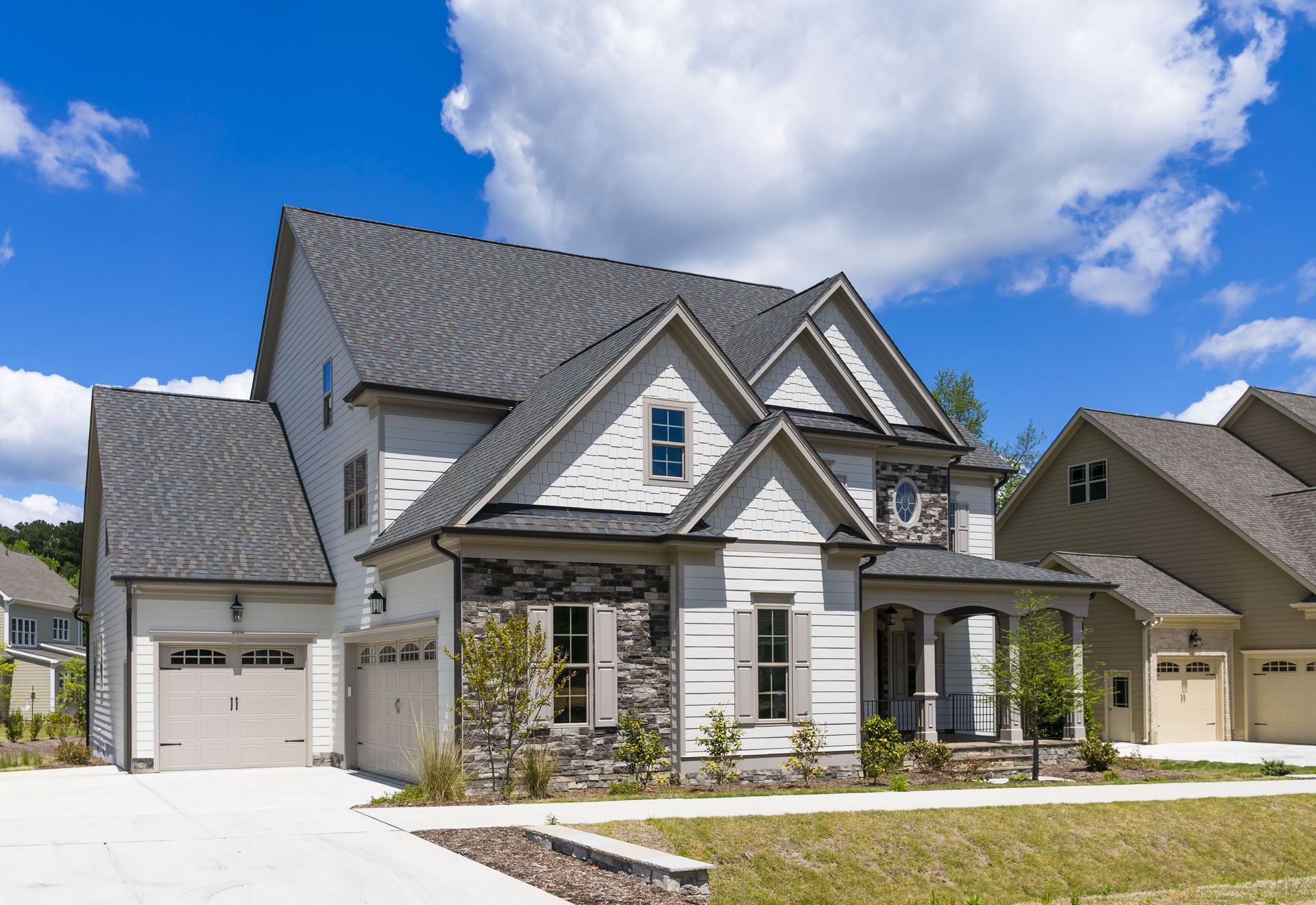
Brick, stone, siding, stucco, wood, and other materials contribute substantially to architectural identity. Material selections can introduce individuality while still referencing colors, textures, or design traditions already present within the neighborhood. This creates visual continuity without requiring every property to look alike.
Considering Distinctive Design Details
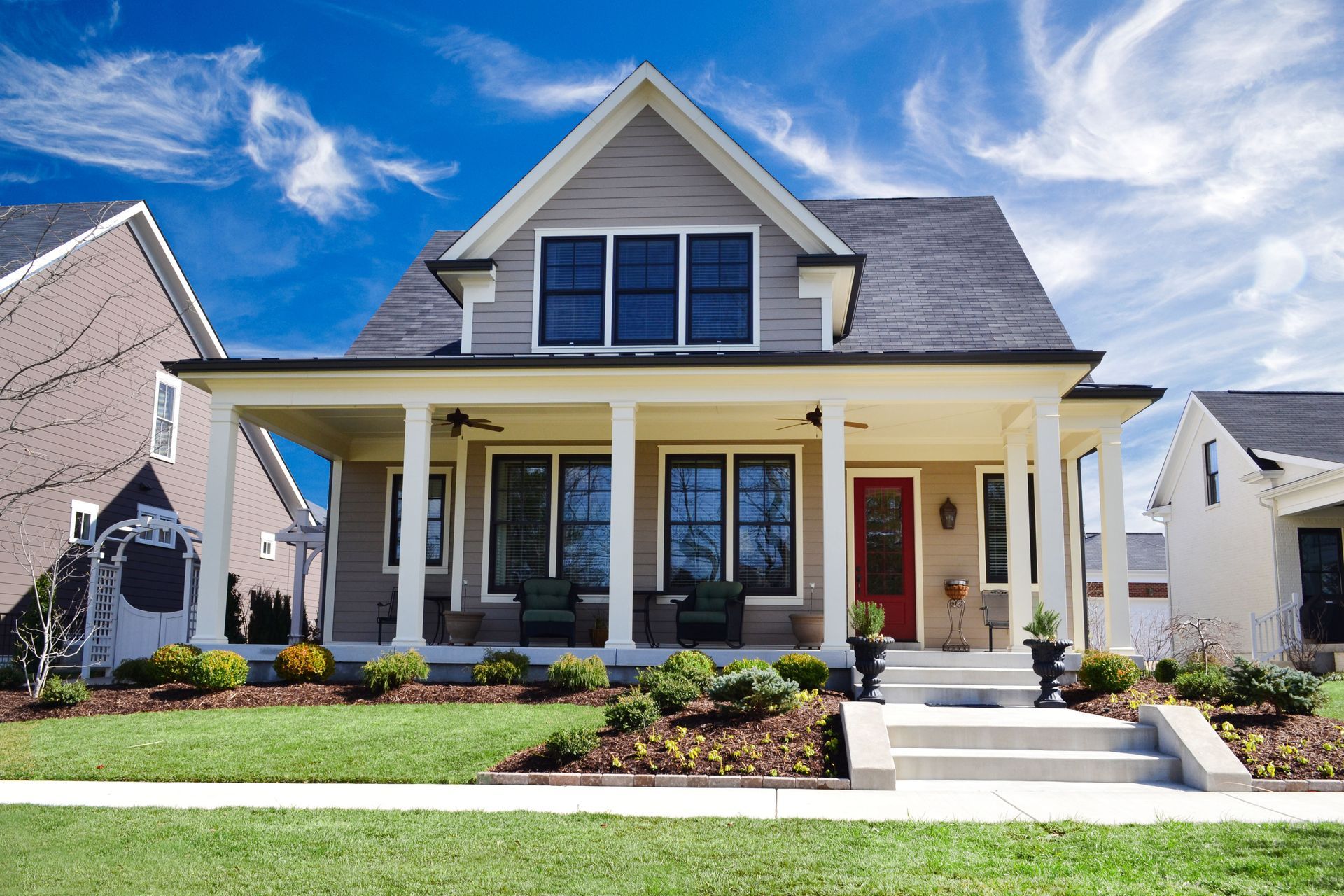
Windows, entryways, porches, columns, trim, and roof details give a custom home much of its personality. When these features are designed within the broader architectural context, homeowners can achieve a personalized appearance while maintaining a sense of connection to nearby residences.
Respecting the Natural Characteristics of the Site
Evaluating Existing Topography
Every building site presents different elevations, slopes, drainage patterns, and natural features. These conditions influence where a home can reasonably sit and how it will appear from surrounding properties. Incorporating the site's natural contours into the design can help the finished residence feel more established within the landscape.
Evaluating Mature Landscaping
Existing trees and vegetation can contribute significantly to neighborhood character. When site conditions allow, preserving established landscape features can soften the visual transition between new construction and surrounding homes. Mature vegetation can also provide shade, privacy, and an immediate sense of permanence.
Evaluating Views and Privacy
Window placement, outdoor living areas, balconies, and building orientation affect both homeowners and neighbors. Local custom home builders can consider important views while also accounting for privacy between adjacent properties. Thoughtful orientation helps create comfortable spaces without unnecessarily overlooking neighboring yards or living areas.
Evaluating Drainage Conditions
New construction can change how water moves across a property. Site planning, therefore, involves understanding grading, runoff, and drainage requirements. Addressing these considerations during design helps the property function appropriately while reducing the possibility that construction will create avoidable drainage concerns for nearby lots.
Respecting Community Rules and Standards
Reviewing Zoning Requirements
Local zoning regulations can establish requirements involving setbacks, building height, lot coverage, accessory structures, and other development characteristics. These standards influence the basic parameters of a project and help maintain consistent relationships between buildings throughout a community.
Reviewing Building Requirements
Building codes address structural, electrical, plumbing, mechanical, safety, and other aspects of construction. Compliance is essential regardless of architectural style. Experienced local custom home builders incorporate applicable requirements into project planning rather than treating them as considerations that arise only after design decisions have been made.
Reviewing Association Guidelines
Some neighborhoods have homeowners' associations or architectural review committees with additional design standards. These may address exterior colors, roofing materials, fences, landscaping, driveway placement, or other visible features. Understanding these expectations early can reduce revisions and approval delays later.
Reviewing Permit Requirements
Custom construction generally involves multiple approvals and inspections. Requirements vary by jurisdiction and project scope, making local familiarity valuable. Coordinating permits and inspections throughout construction helps keep the project aligned with applicable standards while providing documentation that required reviews have occurred.
Respecting Neighborhood Function and Livability
Planning Appropriate Driveway Access
Driveways influence traffic flow, pedestrian areas, landscaping, and the home's relationship to the street. Their placement should account for safe access while complementing the overall site design. In established communities, thoughtful driveway planning can also help preserve the rhythm of neighboring front yards.
Planning Functional Outdoor Spaces
Patios, pools, outdoor kitchens, and gathering areas can be important parts of a custom residence. Their locations influence privacy, noise, views, and landscaping. Local custom home builders can integrate outdoor living into the overall site plan so these spaces work for homeowners while remaining considerate of adjacent properties.
Planning Thoughtful Lighting
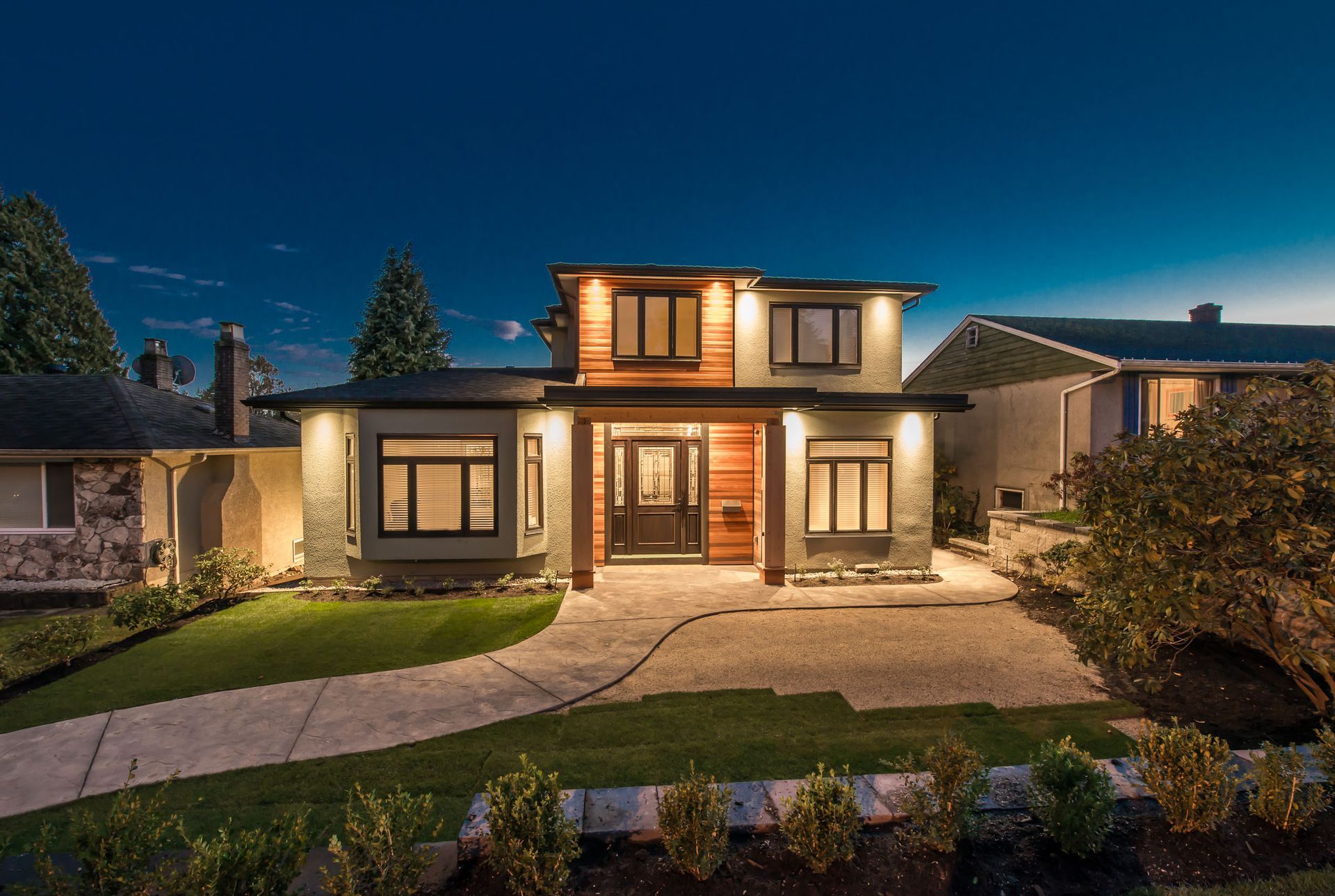
Exterior lighting supports visibility, security, and architectural presentation, but excessive brightness can affect nearby homes. Fixtures, placement, and direction all influence how light travels beyond the property. A coordinated lighting plan can highlight important features without unnecessarily illuminating neighboring yards or windows.
Planning Integrated Landscaping
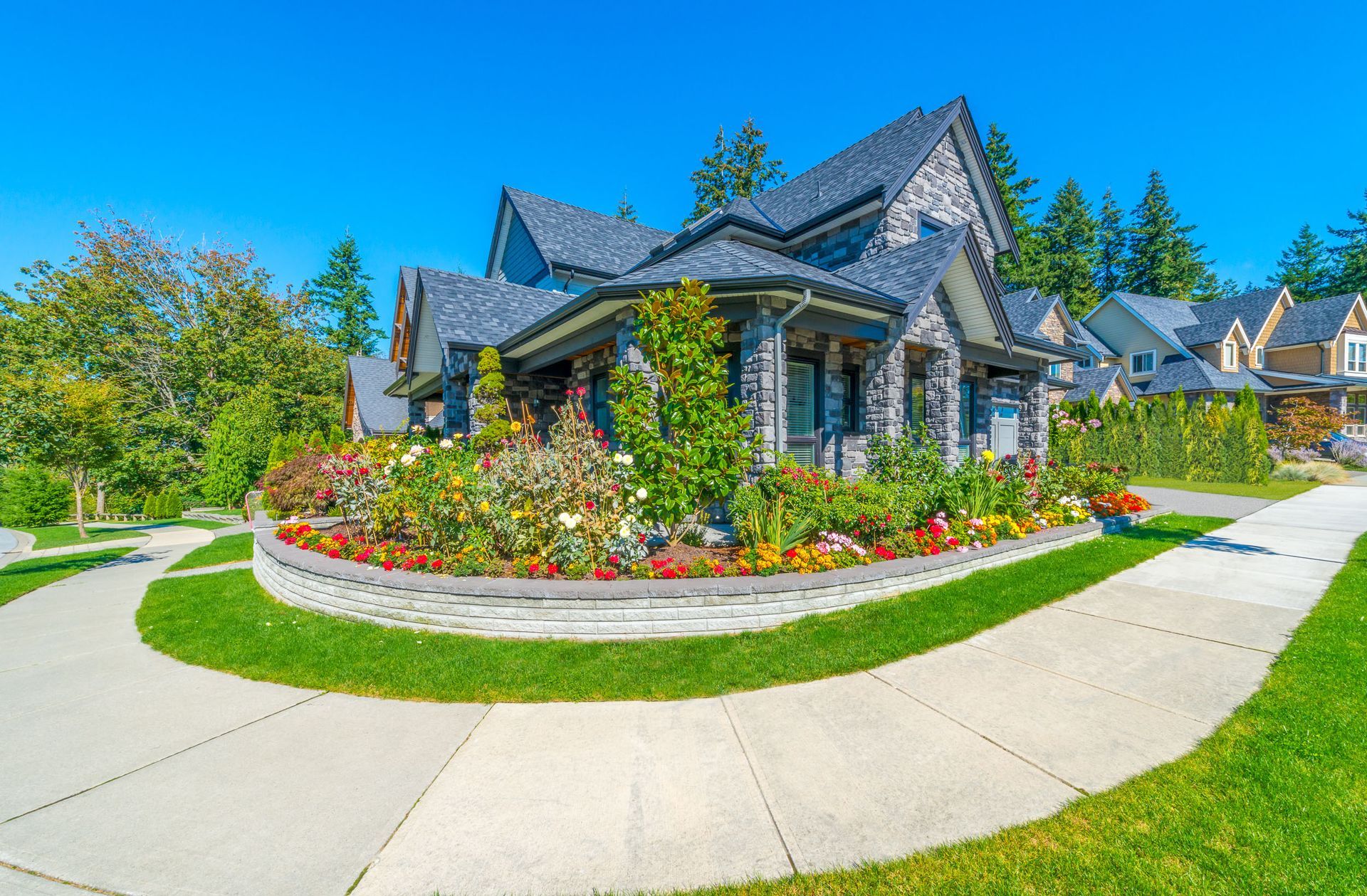
Landscaping helps connect architecture with its surroundings. Trees, shrubs, planting beds, lawns, and hardscaping can soften new construction and establish transitions between the residence and neighboring properties. Landscape design can also provide privacy while reinforcing the visual character of the streetscape.
Respecting the Community During Construction
Managing Construction Traffic
Building a custom home requires regular movement of workers, materials, equipment, and delivery vehicles. In an established neighborhood, this activity can affect nearby residents. Coordinated scheduling and organized site access can help limit unnecessary congestion while keeping materials and crews moving efficiently.
Managing Site Organization
A well-managed construction site can reduce the project's impact on neighboring properties. Local custom home builders coordinate materials, equipment, waste, and work areas throughout construction. Keeping these elements organized contributes to efficiency while helping maintain orderly conditions around the property.
Managing Construction Communication
Schedules can change because of weather, inspections, material availability, or other circumstances. Clear communication among homeowners, contractors, designers, and trade professionals helps everyone understand project developments. When work affects shared access or other neighborhood considerations, timely communication can also help minimize confusion.
Managing Construction Impacts
Noise, dust, deliveries, and temporary disruptions are unavoidable parts of building a home, but thoughtful project management can limit unnecessary impacts. Following permitted work hours, maintaining the site, and coordinating major activities demonstrate consideration for people who already live nearby.
Respecting Long-Term Neighborhood Value
Creating Durable Exterior Design
A home's relationship with its neighborhood continues long after construction ends. Durable materials and well-considered architectural features can help the property age gracefully. Local custom home builders consider both immediate appearance and how exterior selections may perform as the home is exposed to weather and regular use.
Creating Adaptable Living Spaces
Custom homes are often designed around current needs, but families and lifestyles can change. Flexible rooms, practical layouts, and thoughtful storage can make a residence useful across different stages of life. Long-term functionality can reduce the need for substantial alterations that change the property's exterior character later.
Creating Cohesive Curb Appeal
Curb appeal involves the relationship among architecture, landscaping, driveways, lighting, and other visible features. When these elements are considered together, the property can have its own identity while contributing positively to the surrounding streetscape.
Creating a Lasting Community Fit
A successful custom residence should serve the homeowner while also feeling appropriately situated on its site. Local custom home builders can balance personalized design with architectural context, site characteristics, community requirements, and neighboring properties to create homes that remain distinctive without feeling out of place.
Neighborhood harmony does not require every home to look the same. It comes from thoughtful relationships among scale, architecture, materials, landscaping, site planning, community standards, and construction practices. When these elements are considered together, a custom residence can express the homeowner's preferences while becoming a natural part of the community around it.
If you are planning a custom residence and want a home designed around both your vision and its surroundings, contact Malibu Homes today to discuss your project with our local custom home builders.